


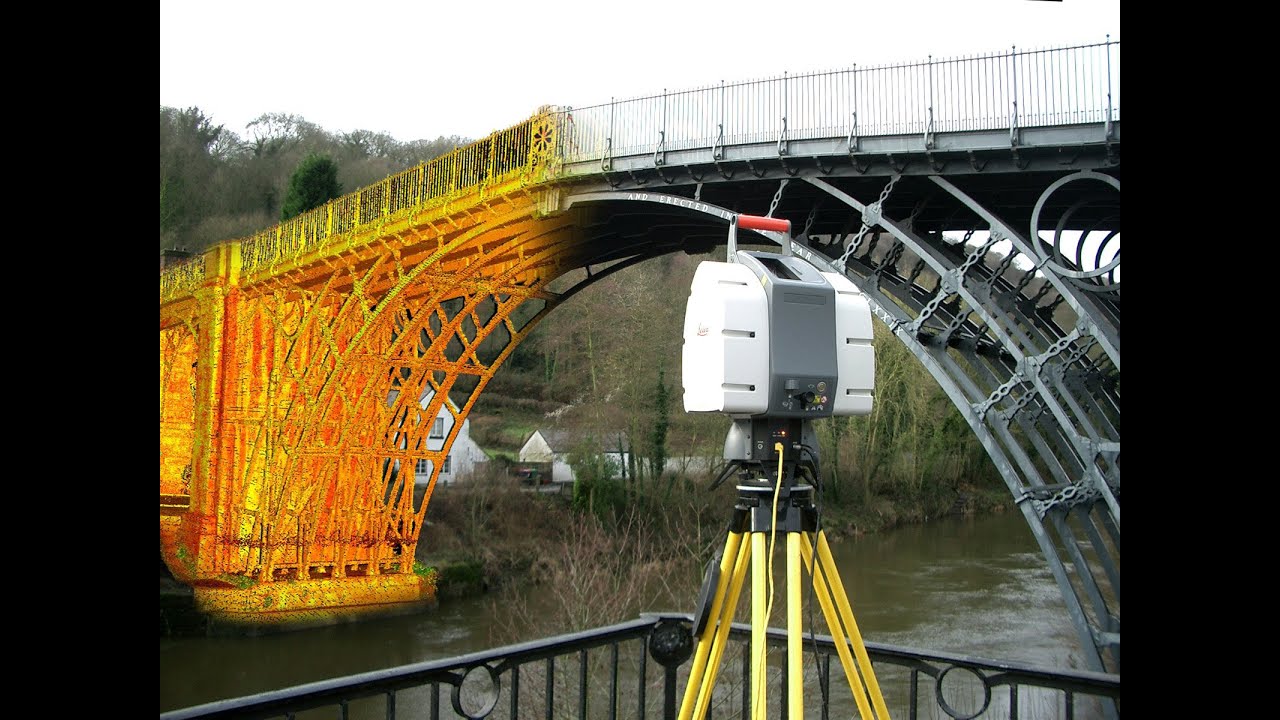
In modern engineering, construction, manufacturing, and surveying, accuracy and efficiency are more important than ever. This has led to a growing comparison between advanced digital tools and conventional techniques. One of the most discussed topics today is 3D Laser Scanner vs Traditional Measurement Methods, as industries evaluate which approach delivers better precision, speed, and cost-effectiveness.
Introduction to Measurement Techniques
Measurement has always been a core part of design and production processes. Traditionally, tools like measuring tapes, calipers, total stations, and manual surveying equipment were used to capture physical dimensions. These methods rely heavily on human operation and interpretation.
In contrast, laser scanning technology introduces a digital way of capturing environments using millions of data points, creating highly detailed 3D models of objects and spaces.
Understanding the difference between these two approaches is essential when deciding which is suitable for a specific project.
What is a 3D Laser Scanner?
A 3D laser scanner is a device that uses laser beams to capture the exact shape and dimensions of physical objects or environments. It produces a “point cloud,” which is a collection of millions of precise spatial measurements.
These point clouds can be converted into 3D models used in architecture, engineering, construction, and industrial design.
The main advantage of this technology is its ability to capture complex geometries quickly and with extremely high accuracy.
Traditional Measurement Methods Explained
Traditional measurement methods involve manual tools and techniques such as:
- Measuring tapes and rulers
- Theodolites and total stations
- Manual leveling instruments
- Hand-drawn sketches and field notes
These methods have been used for decades and are still widely applied due to their simplicity and low cost.
However, they depend heavily on human skill and are more prone to errors, especially in complex or large-scale environments.
Key Differences: 3D Laser Scanner vs Traditional Measurement Methods
When comparing 3D Laser Scanner vs Traditional Measurement Methods, several important differences stand out:
1. Accuracy and Precision
Laser scanners provide extremely high accuracy by capturing millions of points in a short time. This reduces human error significantly.
Traditional methods, while reliable for simple tasks, may introduce inaccuracies due to manual reading or recording mistakes.
2. Speed and Efficiency
A 3D laser scanner can capture an entire building or site in minutes or hours, depending on size.
Traditional measurement methods often require days or even weeks for the same level of detail, especially in large or complex projects.
3. Data Detail and Completeness
Laser scanning captures full spatial data, including complex curves, hidden corners, and irregular surfaces.
Traditional methods usually record only specific points or dimensions, meaning some details may be missed.
4. Cost Considerations
At first glance, traditional measurement methods appear cheaper due to low equipment costs.
However, 3D Laser Scanner vs Traditional Measurement Methods shows that laser scanning can be more cost-effective in the long run by reducing rework, saving labor time, and improving project accuracy.
Advantages of 3D Laser Scanning
3D laser scanning offers several benefits that are transforming industries:
- Highly accurate digital documentation
- Faster data collection
- Reduced need for repeat site visits
- Better visualization of complex structures
- Improved collaboration through digital models
These advantages make it especially useful in large-scale construction, heritage preservation, and industrial plant design.
Limitations of Traditional Methods
Despite their continued use, traditional methods have limitations:
- Time-consuming data collection
- Higher risk of human error
- Difficulty in measuring complex geometries
- Limited digital integration
These challenges make it harder to meet the demands of modern fast-paced projects.
When to Use Each Method
Choosing between these two approaches depends on project requirements:
- Traditional methods are suitable for small-scale tasks, quick field checks, or low-budget projects.
- Laser scanning is ideal for large, complex, or high-precision projects where detailed digital documentation is required.
In many cases, professionals combine both methods for best results.
Conclusion
The debate around 3D Laser Scanner vs Traditional Measurement Methods highlights a clear shift in modern industries toward digital accuracy and efficiency. While traditional techniques still have their place, laser scanning offers superior speed, precision, and data richness.
As technology continues to evolve, 3D laser scanning is expected to become even more accessible, further transforming how measurements are taken and used in real-world applications.
